



Root canal treatment has a reputation it doesn’t deserve. The phrase alone is enough to make some patients cancel appointments. The reality is that a modern root canal is typically no more uncomfortable than having a filling placed, and it’s the treatment that ends the significant pain that accompanies a severely infected or damaged tooth.
Root canal treatment in Kinston at Carlyle Dentistry is performed using current techniques and anesthesia protocols that make the procedure comfortable for the vast majority of patients. This guide explains exactly what a root canal is, when it’s necessary, what the procedure involves, and what recovery looks like.
What Is a Root Canal?
The interior of every tooth contains soft tissue called pulp, which includes blood vessels, nerves, and connective tissue. During tooth development, this pulp helps the tooth grow and mature. In a fully developed adult tooth, the pulp can be removed without affecting the tooth’s function, since the surrounding bone and tissue provide nourishment.
A root canal (technically called root canal therapy or endodontic treatment) involves removing the pulp from the interior of the tooth, cleaning and shaping the canals where the pulp lived, and filling them with a biocompatible material called gutta-percha. A crown is typically placed over the treated tooth afterward to protect it from fracture.
The procedure removes the source of infection or pain while preserving the natural tooth. The alternative, extraction, removes the tooth entirely. Root canal treatment is almost always preferable to extraction from a long-term oral health perspective.
When Is a Root Canal Necessary?
Root canals are recommended when the tooth’s pulp has become infected, inflamed, or is dying due to one of several causes:
Deep decay. When a cavity is left untreated, decay progresses through the enamel and dentin layers of the tooth and eventually reaches the pulp. Bacteria in the cavity cause infection of the pulp tissue.
Cracked or fractured tooth. A crack extending into the root can allow bacteria to enter the pulp chamber, causing infection.
Repeated dental procedures. A tooth that has had multiple procedures over the years, such as multiple fillings, can develop pulp irritation and eventual pulp death.
Dental trauma. An injury to a tooth, even without visible cracking, can damage blood vessels and nerves inside the tooth, leading to pulp death over time.
Symptoms that often indicate pulp involvement include: severe tooth pain especially when biting or chewing, prolonged sensitivity to hot or cold that doesn’t resolve when the stimulus is removed, darkening of the tooth, swelling or tenderness in nearby gums, and a persistent pimple-like bump on the gum near the affected tooth.
Some teeth requiring root canals cause no symptoms at all and are identified through routine dental X-rays. This is why regular dental check-ups are important even when nothing seems to be bothering you.
What to Expect During the Procedure
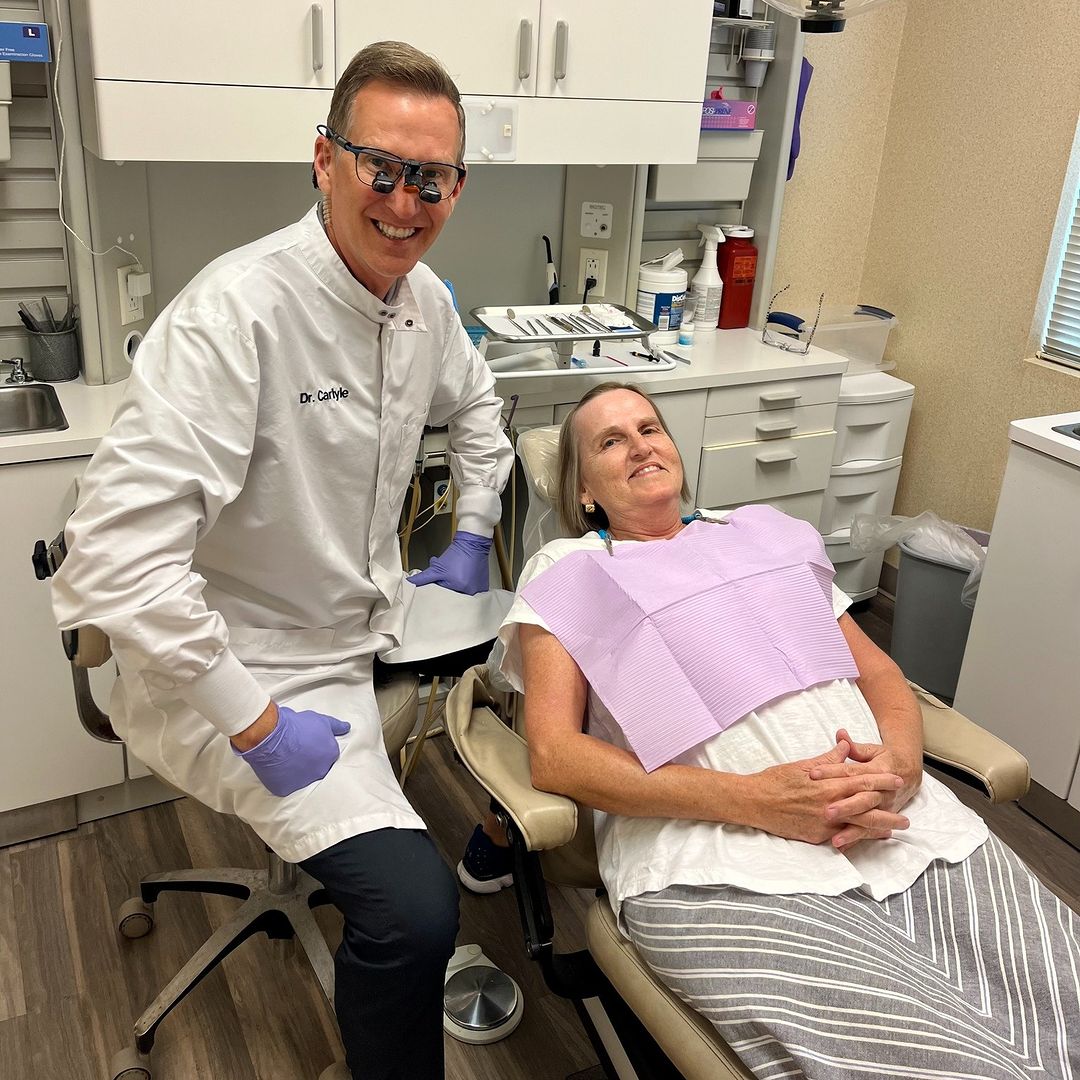
Carlyle Dentistry administers local anesthesia to completely numb the tooth and surrounding tissue before beginning. Most patients are surprised to find that the procedure is painless because of the anesthesia. The pre-procedure discomfort from the infected tooth is typically far worse than the root canal appointment itself.
The procedure involves:
- Creating an access opening through the top of the tooth
- Using small instruments to remove the pulp tissue from the canals
- Shaping and cleaning the canals thoroughly
- Filling the canals with gutta-percha
- Sealing the access opening with a temporary or permanent filling
Depending on the tooth and the complexity of the canal anatomy, the procedure takes one to two appointments. Front teeth typically have a simpler canal structure and can be completed in one appointment. Molars have more complex anatomy and may require two appointments.
Recovery After Root Canal Treatment
Post-procedure soreness is normal for two to three days. The surrounding tissue that was inflamed or infected takes time to heal. Most patients manage this discomfort well with over-the-counter ibuprofen or acetaminophen.
Prescription pain medication is occasionally needed but is not required for most patients. Carlyle Dentistry provides specific post-procedure instructions and is available for questions during recovery.
Patients can return to normal activities the same day in most cases. Eating on the treated tooth should be avoided until the permanent crown is placed, as an unrestored root-canaled tooth is vulnerable to fracture under biting forces.
The Crown After Root Canal Treatment
A tooth that has undergone root canal therapy is more brittle than a vital tooth, because the removal of the pulp eliminates the internal moisture and nutrition that living pulp provides. A crown placed over the treated tooth protects it from the fractures that commonly occur in root-canaled teeth without full coverage restoration.
Carlyle Dentistry typically places a crown on any molar or premolar that has undergone root canal treatment. Front teeth may be restored with a filling in some cases, depending on the amount of remaining tooth structure.
The crown is placed at a subsequent appointment after the root canal is confirmed to be healing properly, typically two to four weeks after the root canal procedure.

Seeking Root Canal Treatment in Kinston?
Carlyle Dentistry provides root canal treatment in the Kinston and Greenville area with the goal of making the experience as comfortable and straightforward as possible. If you’re experiencing tooth pain, sensitivity, or any of the symptoms described above, an appointment to evaluate the tooth is the first step.
Early evaluation means earlier treatment, which means less extensive infection to address and typically a more straightforward procedure. Don’t wait for the pain to become unbearable before scheduling.